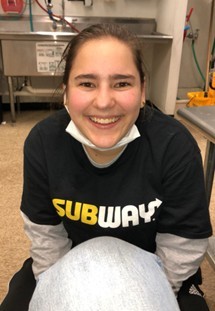

This week, I am proud to feature Tory Southall as our guest blogger. Tory is a freshman at Cloud County Community College pursuing a degree in business with plans to one day own and operate her own food truck. In this thoughtful and engaging post, Tory reflects on what she learned about servant leadership while leading a night shift team at Subway during the height of COVID-19. Her story is a powerful reminder that leadership is not defined by age or title but by empathy, service, and the willingness to step up when others need support most.
COVID-19 added another layer of complexity to the fast-food industry by accelerating digital transformation at an unprecedented pace. According to Future Platforms, the pandemic forced fast-food chains to compress years of planned technological change into a matter of months, shifting the industry’s focus from in-store dining to digital platforms. As a result, digital sales for major fast-food brands tripled between 2019 and 2021 (Future Platforms, How COVID-19 Has Accelerated Digital Transformation in the Industry, (https://www.futureplatforms.com/insights/how-covid-19-has-accelerated-digital-transformation). This rapid shift increased reliance on online ordering and delivery apps, placing additional pressure on already understaffed teams.
During COVID-19, I worked 38-hour workweeks at Subway and ran the night shift. At 16, most people are worried about homework, friends, or weekend plans. Since you couldn’t go anywhere but work and school, I dove into work. What started as just a job quickly became a crash course in leadership—specifically, servant leadership. I didn’t have a fancy title or years of experience, but I learned what it truly means to serve others while leading a team through one of the most stressful times the fast-food industry has ever faced.
One of the biggest servant leadership principles I practiced was active listening and empathy, even though I didn’t realize it at the time. My manager was overwhelmed. Staffing shortages were constant, customer demand was unpredictable, and on top of that, they were dealing with serious family issues. Instead of complaining about the stress trickling down to me, I listened. I understood the pressure they were under and decided to help however I could. I reached out to my friends, explained the situation, and convinced several of them to come work with me. That simple act of empathy helped rebuild our team and showed that leadership sometimes starts with caring enough to step up when someone else is struggling.
Another key principle of servant leadership is empowerment. Most of the new night crew I trained had never worked a job before. Rather than just telling them what to do, I taught them why things mattered, especially cleanliness and teamwork. I created new cleaning lists that were clearer and more organized, which helped everyone feel confident and accountable. As a result, our monthly cleaning inspection score jumped from a 52 to an 81. Seeing that improvement wasn’t just about the number; it was about watching the team grow more capable and proud of their work.
I also learned the importance of leading by example. I never asked my crew to do something I wasn’t willing to do myself. While others handled daily tasks, I took on the biggest and dirtiest jobs, deep-cleaning ovens that hadn’t been touched in months or scrubbing out the freezer. Doing the “gross stuff” showed the team that no one was above the work. It built trust and made people more willing to give their best effort because they knew I was right there with them. Building community was one of the hardest but most rewarding parts of the job. Working with friends can be difficult, especially when you’re the one in charge. I learned to balance authority with support by protecting my crew whenever possible—jumping in during rushes, handling angry or unpredictable customers, and making sure everyone felt supported. That sense of unity turned stressful shifts into shared challenges rather than individual burdens. Navigating these changes taught me adaptability and reinforced the importance of servant leadership during times of rapid change.
Looking back, that experience completely changed how I view leadership. I learned that being a leader isn’t about power; it’s about service, empathy, and teamwork. My takeaway is this: leadership can come from anyone, at any age, in any role. The real question is, when your team needs you most, will you step up to serve them?
Tory Southall